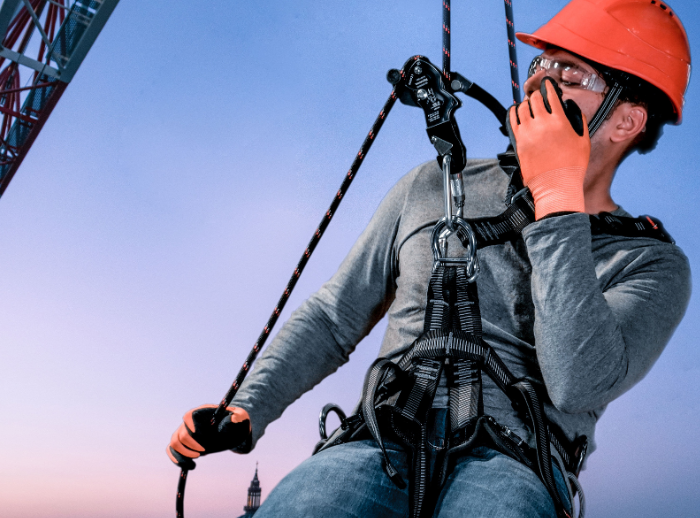
Working at height remains one of the most hazardous tasks across many industries, making reliable fall protection equipment an essential investment rather than an optional purchase. Businesses throughout France continue to prioritize workplace safety by equipping employees with certified products designed to reduce fall risks and support regulatory compliance. Whether a company operates in construction, manufacturing, telecommunications, logistics, renewable energy, or facility maintenance, selecting the right safety equipment directly impacts worker confidence, operational efficiency, and long-term productivity. Companies that shop fall protection equipment in France often look beyond price alone, focusing on durability, comfort, compatibility, and proven performance. High-quality equipment not only protects workers during daily operations but also minimizes equipment replacement costs and downtime caused by preventable incidents. Choosing dependable safety solutions helps organizations create safer working environments while strengthening their commitment to employee well-being. Understanding the different types of fall protection equipment and knowing what to look for before purchasing allows businesses to make informed decisions that deliver lasting value.
Why High-Quality Fall Protection Equipment Matters in France
Every worksite presents unique challenges, especially when employees perform tasks above ground level. Falls from height continue to be among the leading causes of workplace injuries, making dependable protective equipment a necessity for organizations across France. Investing in certified fall protection equipment helps employers provide workers with reliable systems that are designed to reduce the consequences of accidental falls. High-quality products also improve worker confidence because employees know they are using equipment engineered to perform under demanding conditions. Reliable safety gear contributes to smoother daily operations by reducing interruptions associated with damaged or poorly performing equipment. Businesses that prioritize workplace safety often build stronger reputations among employees, clients, and regulatory authorities. When organizations shop fall protection equipment in France from trusted suppliers, they gain access to products that meet recognized safety standards while supporting long-term operational reliability.
Understanding Fall Protection Equipment
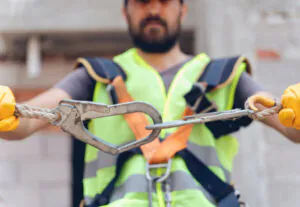
Fall protection equipment consists of specialized safety products designed to protect workers who perform tasks at elevated locations. These systems work together to either prevent falls from occurring or safely arrest a fall before serious injury happens. A complete fall protection system usually includes a full-body harness, shock-absorbing lanyard, self-retracting lifeline, anchorage connector, connectors, and compatible accessories. Every component plays a specific role, and each item must function correctly with the others to provide dependable protection. Selecting products individually without considering compatibility can reduce the overall effectiveness of the system. Modern fall protection equipment is designed with durable materials that withstand harsh environmental conditions while remaining comfortable enough for daily use. Businesses that shop fall protection equipment in France should evaluate complete systems rather than focusing on individual products alone to achieve the highest level of workplace safety.
Industries That Need Fall Protection Equipment in France
Many industries across France depend on reliable fall protection equipment because employees regularly perform work at elevated locations. Construction companies use harnesses, lifelines, and anchor systems while building residential, commercial, and infrastructure projects. Manufacturing facilities require fall protection for maintenance work on elevated platforms, machinery, and storage systems. Energy companies rely on specialized safety equipment for wind turbine maintenance, solar installations, and electrical transmission projects where technicians work at considerable heights. Telecommunications providers depend on vertical lifelines and personal fall arrest systems when servicing communication towers and network infrastructure. Logistics centers, warehouses, airports, and shipping facilities also require dependable fall protection during loading, maintenance, and inspection activities. Organizations operating within these industries benefit significantly when they shop fall protection equipment in France from experienced suppliers offering certified products suitable for demanding work environments.
Key Features to Look for When You Shop Fall Protection Equipment in France
Choosing the right equipment requires careful evaluation of several important features beyond appearance or price. Certification should always be the first consideration because equipment must comply with applicable European safety standards and testing requirements. Durable materials such as high-strength webbing, corrosion-resistant hardware, and reinforced stitching contribute to longer product life and dependable performance. Comfortable equipment encourages workers to wear their protective gear correctly throughout the workday, reducing the likelihood of improper use. Adjustable harnesses, breathable padding, and ergonomic designs improve comfort during extended shifts without compromising protection. Compatibility between harnesses, lanyards, connectors, and anchorage systems is equally important because mismatched equipment may not perform as intended during an emergency. Businesses that shop fall protection equipment in France should also evaluate maintenance requirements, product warranties, and supplier support to maximize long-term value from every purchase.
How to Choose the Right Fall Protection Equipment
Selecting appropriate fall protection equipment begins with a comprehensive assessment of workplace hazards and job requirements. Employers should identify working heights, potential fall distances, environmental conditions, and the frequency with which employees perform elevated tasks. Different jobs require different systems, meaning roof maintenance may demand different equipment than tower climbing or industrial inspections. Employers should also evaluate anchor point availability and determine whether workers need mobility, positioning support, or complete fall arrest capabilities. Considering rescue planning during equipment selection is equally important because workers must be recoverable following a fall event. Equipment should fit individual users properly to maximize both comfort and effectiveness during daily operations. Companies that shop fall protection equipment in France benefit from consulting experienced suppliers capable of recommending complete systems based on specific workplace applications rather than offering generic solutions.
Benefits of Purchasing from a Trusted Fall Protection Equipment Supplier in France
Working with an established supplier provides advantages that extend well beyond purchasing safety equipment. Reputable suppliers typically offer certified products sourced from recognized manufacturers known for consistent quality and dependable performance. They also provide expert guidance that helps businesses identify the most appropriate products for specific industries and work environments. Reliable suppliers often maintain sufficient inventory, allowing organizations to replace equipment quickly without disrupting operations. Many suppliers support customers with technical advice, product demonstrations, inspection guidance, and training resources that improve equipment usage. Strong after-sales service can simplify warranty claims, maintenance recommendations, and future equipment upgrades as business needs evolve. Organizations that shop fall protection equipment in France through trusted suppliers gain peace of mind knowing their investment supports worker safety while meeting recognized quality standards.
Common Mistakes to Avoid When Buying Fall Protection Equipment
One of the most common purchasing mistakes is choosing equipment based solely on the lowest available price rather than evaluating quality and certification. Cheap products may appear similar to premium alternatives, yet they often lack the durability and testing required for demanding industrial environments. Another mistake involves combining incompatible components from different systems without verifying manufacturer recommendations. Businesses sometimes overlook worker comfort, leading employees to adjust equipment improperly or avoid wearing it correctly throughout the day. Ignoring inspection schedules is another preventable issue because damaged equipment may no longer provide adequate protection. Organizations also make mistakes by continuing to use equipment beyond its recommended service life, increasing the risk of equipment failure. Businesses that shop fall protection equipment in France should prioritize certified products, employee training, routine inspections, and complete system compatibility to avoid unnecessary workplace hazards.
Best Practices for Maintaining Fall Protection Equipment
Proper maintenance significantly extends the lifespan of fall protection equipment while ensuring dependable performance whenever it is needed. Workers should perform visual inspections before every use, checking webbing, stitching, connectors, buckles, and metal components for signs of damage or excessive wear. Scheduled inspections conducted by qualified personnel provide another layer of safety by identifying issues that daily users may overlook. Cleaning equipment according to manufacturer recommendations helps preserve materials and prevents contaminants from reducing product performance. Storage also plays an important role because equipment should remain in dry, clean environments protected from chemicals, moisture, excessive heat, and direct sunlight. Maintaining detailed inspection records supports regulatory compliance while helping organizations monitor equipment condition over time. Businesses that shop fall protection equipment in France should establish clear maintenance procedures that encourage consistent inspections and responsible equipment management.
Why Quality Matters More Than Cost
Although budget considerations influence purchasing decisions, selecting high-quality fall protection equipment provides greater value throughout its service life. Durable equipment typically withstands demanding work environments longer than lower-quality alternatives, reducing replacement frequency and long-term expenses. Reliable products also minimize operational interruptions caused by damaged equipment requiring unexpected replacement. Workers often feel more confident using comfortable, professionally designed equipment, improving productivity while encouraging consistent safety practices. Investing in quality products demonstrates that employers value employee well-being, strengthening workplace culture and organizational reputation. High-performance safety equipment can also reduce maintenance requirements because superior materials resist wear more effectively under challenging conditions. Businesses that shop fall protection equipment in France often discover that investing in dependable products delivers measurable financial and operational benefits over many years of continuous use.
Frequently Asked Questions
What fall protection equipment is commonly required for working at height in France?
The required equipment depends on the specific work environment and associated hazards. Common products include full-body harnesses, self-retracting lifelines, shock-absorbing lanyards, vertical lifelines, horizontal lifeline systems, anchor connectors, helmets, and rescue equipment. Employers should conduct workplace risk assessments before selecting appropriate equipment.
How often should fall protection equipment be inspected?
Workers should inspect equipment before every use. In addition, qualified personnel should perform documented periodic inspections according to manufacturer recommendations and applicable workplace safety regulations.
Why is equipment certification important?
Certified equipment has undergone testing to verify its performance under specified conditions. Purchasing certified products helps employers meet safety requirements while providing workers with dependable protection during elevated work activities.
Can different brands of fall protection equipment be used together?
Not always. Compatibility between components is essential for proper system performance. Businesses should verify manufacturer guidance before combining products from different brands within the same fall protection system.
How long does fall protection equipment typically last?
Service life varies depending on product type, frequency of use, environmental exposure, storage conditions, and manufacturer recommendations. Regular inspections help determine whether equipment remains suitable for continued use.
Where should businesses shop fall protection equipment in France?
Organizations should purchase from reputable suppliers offering certified products, knowledgeable technical support, product documentation, inspection guidance, and dependable customer service. Choosing experienced suppliers helps ensure equipment meets workplace safety requirements.
Takeaway
Businesses that shop fall protection equipment in France should prioritize certified quality, proper system compatibility, worker comfort, and dependable supplier support rather than focusing solely on purchase price. Reliable fall protection systems play an essential role in protecting employees working at height across construction, manufacturing, telecommunications, energy, logistics, and many other industries. Careful equipment selection, regular inspections, proper maintenance, and ongoing worker training contribute to safer operations while supporting productivity and regulatory compliance. Investing in trusted fall protection equipment today creates a safer workplace, reduces long-term operational costs, and demonstrates a lasting commitment to employee safety and organizational excellence.