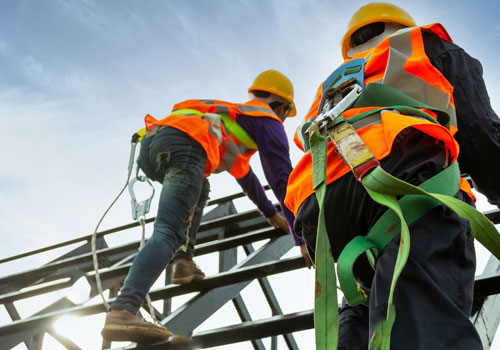
Working at height is one of the most hazardous tasks across many industries, making reliable fall protection a necessity rather than an option. As Myanmar continues to develop its infrastructure, commercial buildings, industrial facilities, and energy projects, employers are placing greater emphasis on creating safer workplaces. A Vertical Lifeline in Myanmar has become an essential component of fall arrest systems designed to protect workers who perform tasks on ladders, towers, scaffolding, rooftops, and other elevated structures. Whether for construction, telecommunications, utilities, or manufacturing, installing the right vertical lifeline system significantly reduces the risk of serious injuries caused by falls. Understanding how these systems work, where they are used, and how to maintain them helps organizations improve workplace safety while supporting operational efficiency. Investing in quality equipment also demonstrates a company’s commitment to protecting its workforce. This guide explores everything businesses should know about choosing and using a Vertical Lifeline in Myanmar.
Understanding What a Vertical Lifeline Is
A vertical lifeline is a fall protection system that allows workers to move safely up and down ladders or other vertical climbing structures while remaining continuously connected to a secure anchor. The system is specifically designed to arrest a fall before it results in serious injury by working together with a full body harness and a guided fall arrester. Unlike temporary tie-off methods that require workers to disconnect and reconnect, vertical lifelines provide continuous protection throughout the climb. The system generally includes an anchorage point, a steel cable or synthetic rope, a guided fall arrester, connectors, and an energy absorber. Every component is engineered to function as one integrated safety solution. Proper installation and regular inspections ensure the system performs effectively whenever it is needed. For organizations seeking dependable work-at-height protection, a Vertical Lifeline in Myanmar provides an efficient and reliable safety solution.
Why Vertical Lifeline Systems Are Becoming Essential in Myanmar
Myanmar’s expanding industrial landscape has increased the demand for advanced workplace safety systems. Construction projects, infrastructure improvements, telecommunications expansion, and industrial developments all require employees to work at elevated locations. Falls remain one of the leading causes of workplace injuries worldwide, making preventive measures increasingly important. Employers understand that investing in high-quality fall protection helps reduce accidents, improve worker confidence, and minimize costly operational interruptions. Safety-conscious organizations also recognize that protecting employees supports long-term productivity and business sustainability. Clients and project stakeholders often value contractors that prioritize workplace safety through modern equipment and best practices. As industries continue to grow, installing a dependable Vertical Lifeline in Myanmar has become an important part of maintaining safer working environments.
Industries That Commonly Use Vertical Lifeline in Myanmar
Many industries rely on vertical lifeline systems because employees frequently perform duties at significant heights. Construction companies use them when workers install structural components, roofing systems, and building exteriors. Telecommunications providers depend on these systems during tower installation, antenna maintenance, and communication equipment servicing. Electrical utilities require reliable fall protection for technicians working on transmission towers and substations. Manufacturing facilities often install permanent vertical lifelines for equipment maintenance, elevated inspections, and confined access points. Warehouses with elevated platforms and storage systems also benefit from improved worker safety. Ports, logistics centers, renewable energy facilities, and oil and gas operations use vertical lifelines to protect personnel performing routine inspections and maintenance. Across these sectors, implementing a Vertical Lifeline in Myanmar supports safer operations while helping employees perform their responsibilities with greater confidence.
Main Components of a Vertical Lifeline System
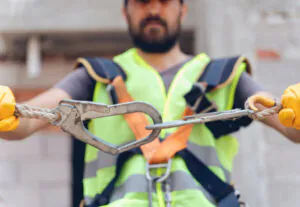
Every vertical lifeline system consists of several carefully engineered components that work together to provide reliable fall protection. The anchorage point serves as the secure structural connection capable of supporting significant loads during a fall event. The lifeline itself may be constructed from galvanized steel cable or durable synthetic rope, depending on the intended application and environmental conditions. A guided fall arrester travels smoothly with the worker while automatically locking onto the lifeline if sudden downward movement occurs. The full body harness distributes fall forces across stronger parts of the body, reducing the likelihood of serious injury. An energy absorber helps minimize impact forces by gradually reducing the shock generated during fall arrest. Connectors such as carabiners and attachment hardware complete the system while ensuring compatibility among components. Selecting high-quality equipment is essential for maximizing the effectiveness of a Vertical Lifeline in Myanmar.
Types of Vertical Lifeline Systems Available in Myanmar
Organizations can choose from several types of vertical lifeline systems depending on the nature of their operations. Permanent vertical lifelines are commonly installed on fixed ladders, towers, and industrial structures where employees frequently perform maintenance or inspections. Temporary systems offer greater flexibility for construction sites and short-term projects where work locations regularly change. Steel cable systems are known for their exceptional durability, corrosion resistance, and long service life in demanding environments. Rope-based systems provide lightweight portability, making them easier to transport and install when mobility is important. Some systems are designed specifically for enclosed ladders, while others accommodate open structures and towers. Selecting the appropriate configuration depends on workplace hazards, user requirements, environmental exposure, and maintenance expectations. Choosing the right Vertical Lifeline in Myanmar helps organizations achieve both safety and operational efficiency.
Benefits of Installing a Vertical Lifeline in Myanmar
Installing a vertical lifeline system delivers significant advantages for employers and workers alike. The most important benefit is improved fall protection that helps reduce the likelihood of severe workplace injuries. Continuous attachment allows workers to climb safely without repeatedly disconnecting from the safety system. Employees often perform their tasks more confidently when they know reliable protection is always available. Organizations may also experience fewer work interruptions caused by safety incidents, equipment damage, or accident investigations. A well-maintained system contributes to long-term operational reliability while protecting valuable human resources. Investing in a Vertical Lifeline in Myanmar also demonstrates a proactive approach to workplace safety and responsible risk management.
One of the greatest advantages includes:
- Continuous fall protection during climbing
- Improved worker confidence at elevated locations
- Enhanced productivity through uninterrupted movement
- Reduced risk of serious workplace injuries
- Long-lasting equipment with proper maintenance
- Suitable for permanent and temporary applications
- Adaptable across multiple industries
- Supports safer maintenance and inspection activities
How to Choose the Right Vertical Lifeline System
Selecting an appropriate vertical lifeline system begins with a comprehensive assessment of workplace hazards and operational requirements. Businesses should evaluate climbing height, structural conditions, environmental exposure, and the number of users who will rely on the equipment. Compatibility between harnesses, guided fall arresters, connectors, and anchor points should always be verified before installation. Equipment manufactured using high-quality materials generally offers greater durability and dependable long-term performance. Working with experienced suppliers can simplify equipment selection while ensuring professional recommendations based on specific applications. Installation performed by qualified personnel further supports system reliability and worker safety. Investing time in selecting the right Vertical Lifeline in Myanmar helps organizations maximize protection while minimizing future maintenance concerns.
Installation Considerations for Vertical Lifeline Systems
Successful installation begins with a thorough evaluation of the worksite and supporting structure. Engineers or qualified installers should verify that anchor locations possess adequate structural capacity before attaching any fall protection equipment. Proper positioning of the lifeline ensures smooth movement while preventing unnecessary friction or obstructions during climbing. Installation should always follow manufacturer recommendations to preserve system integrity and performance. Functional testing after installation confirms that guided fall arresters move correctly and lock immediately during simulated fall conditions. Workers should receive orientation on proper equipment use before accessing the system for operational tasks. Regular inspections after installation help ensure every Vertical Lifeline in Myanmar continues delivering dependable fall protection throughout its service life.
Inspection and Maintenance Best Practices
Routine inspections are essential for maintaining the reliability of every vertical lifeline system. Workers should visually inspect the lifeline, connectors, harnesses, and guided fall arresters before each use to identify signs of wear or damage. Scheduled inspections performed by competent personnel provide additional assurance that all components remain in safe operating condition. Cleaning the equipment according to manufacturer recommendations helps remove dirt, corrosion, and contaminants that may affect performance. Proper storage also protects equipment from unnecessary exposure to moisture, chemicals, and ultraviolet radiation. Detailed maintenance records support equipment management and simplify replacement planning when components approach the end of their service life. Organizations that consistently inspect their Vertical Lifeline in Myanmar strengthen workplace safety while extending equipment longevity.
Common Mistakes to Avoid When Using Vertical Lifeline Systems
Even the most advanced fall protection equipment cannot provide maximum safety if it is used improperly. One common mistake involves attaching incompatible connectors or harnesses that are not designed for the specific system. Workers sometimes neglect daily inspections, increasing the likelihood that damaged components remain in service. Improper installation or incorrect anchor placement can reduce the effectiveness of fall arrest performance. Failing to provide adequate worker training may also result in unsafe climbing practices or misuse of equipment. Delaying maintenance or continuing to use worn components creates unnecessary risks that can easily be prevented. Avoiding these common errors helps organizations ensure every Vertical Lifeline in Myanmar performs as intended whenever workers operate at height.
Workplace Safety Practices That Complement Vertical Lifelines
A vertical lifeline is most effective when combined with a comprehensive workplace safety program. Regular hazard assessments help identify potential risks before work begins, allowing organizations to implement appropriate control measures. Ongoing worker training reinforces proper equipment use and promotes consistent safety practices throughout the workforce. Rescue planning is equally important because rapid response procedures help minimize injuries if a fall occurs. Routine safety audits encourage continuous improvement by identifying opportunities to strengthen existing processes. Clear communication between supervisors and employees supports accountability and reinforces safe work habits. When integrated into a broader safety culture, a Vertical Lifeline in Myanmar becomes an important part of protecting workers across a wide variety of industries.
Factors to Consider When Purchasing a Vertical Lifeline in Myanmar
Choosing the right supplier is just as important as selecting the equipment itself. Businesses should evaluate product quality, technical expertise, installation capabilities, after-sales support, and maintenance services before making a purchasing decision. Reliable suppliers provide detailed product information, user guidance, and recommendations based on specific workplace requirements. Product durability should be carefully considered because high-quality materials often reduce long-term replacement costs. Availability of spare parts and technical assistance can also simplify ongoing maintenance. Organizations should compare overall value rather than focusing solely on the lowest purchase price. Investing in a dependable Vertical Lifeline in Myanmar supports safer operations while providing long-term value for businesses that regularly perform work at height.
FAQ
What is a vertical lifeline system used for?
A vertical lifeline system protects workers from falls while climbing ladders, towers, and other elevated structures by providing continuous fall arrest protection.
Which industries commonly use a Vertical Lifeline in Myanmar?
Construction, telecommunications, manufacturing, utilities, logistics, renewable energy, warehouses, and industrial facilities commonly use these systems.
What is the difference between a vertical lifeline and a horizontal lifeline?
A vertical lifeline protects workers during vertical climbing, while a horizontal lifeline is designed for movement across elevated horizontal work areas.
Can a vertical lifeline system be installed temporarily?
Yes. Temporary systems are widely used on construction projects and maintenance jobs where permanent installations are unnecessary.
How often should vertical lifeline equipment be inspected?
Workers should inspect equipment before every use, while qualified personnel should perform scheduled inspections according to manufacturer recommendations.
What equipment works together with a vertical lifeline?
A complete system typically includes a full body harness, guided fall arrester, anchorage point, connectors, and an energy absorber.
How do businesses choose the right vertical lifeline?
Organizations should evaluate workplace hazards, climbing height, environmental conditions, structural capacity, and equipment compatibility before selecting a system.
Why is professional installation important?
Professional installation helps ensure proper anchor placement, system performance, and long-term reliability while reducing the risk of installation errors.
Takeaway
A Vertical Lifeline in Myanmar is an essential investment for organizations that prioritize worker safety during elevated tasks. By selecting high-quality equipment, ensuring proper installation, conducting regular inspections, and providing ongoing worker training, businesses can significantly reduce fall hazards across a wide range of industries. Reliable vertical lifeline systems not only protect employees but also support greater productivity, operational efficiency, and long-term workplace safety.