Concrete remains one of the most essential construction materials used for buildings, bridges, roads, foundations, and various infrastructure projects. The reliability of a structure depends greatly on the quality, strength, and durability of its Concrete components.
Every construction project requires careful evaluation of Concrete materials before they become part of a permanent structure. Proper Concrete testing helps verify whether materials meet required specifications, safety requirements, and engineering expectations.
Weak or improperly prepared Concrete may lead to structural concerns, costly repairs, project delays, and safety risks. Through professional Concrete testing services, engineers and contractors can confirm material performance before construction milestones are approved.
Inch-On Materials Testing Laboratory is a DPWH-BRS accredited Engineering and Construction Laboratory established in November 2018. The laboratory provides reliable evaluation of soil, Concrete, construction materials, and foundation systems through standardized testing procedures. With ASTM and AASHTO testing standards, Inch-On supports construction projects that require accurate technical data and dependable material assessment.
What Is Concrete and Why Does Quality Matter?
Concrete is a composite construction material made from cement, water, aggregates, and other approved additives. The combination of these materials creates a strong product capable of supporting heavy structural loads.
The quality of Concrete depends on several factors, including material selection, mixing procedures, placement methods, curing conditions, and environmental exposure. Even small variations during production may affect Concrete strength and long-term performance.
Understanding Concrete Composition
Concrete consists of several important components:
Cement
Cement acts as the binding material that holds other Concrete ingredients together. The type and quality of cement affect strength development and durability.
Water
Water activates the chemical reaction required for Concrete hardening. The correct water ratio helps achieve proper strength while excessive water may reduce Concrete performance.
Fine and Coarse Aggregates
Aggregates provide volume and stability for Concrete mixtures. Quality aggregates contribute to improved strength, durability, and resistance against external forces.
Admixtures
Admixtures may improve specific Concrete characteristics, such as workability, setting time, and resistance to environmental conditions.
Common Applications of Concrete
Concrete supports various applications, including:
- Building foundations
- Structural columns and beams
- Concrete slabs
- Roads and pavements
- Drainage structures
- Industrial facilities
- Residential and commercial developments
Each application requires Concrete that meets specific strength and quality requirements.
Why Concrete Testing Is Important
Concrete testing provides valuable information about material performance. Testing allows professionals to verify whether Concrete reaches the required strength levels and meets project specifications.
Without proper Concrete testing, construction teams may have limited information about the actual condition of materials being used for a project.
Verifying Concrete Strength Before Project Approval
Concrete strength testing helps determine whether materials can support expected loads. Engineers use Concrete testing results to evaluate structural performance and confirm whether construction requirements have been achieved.
Concrete compression testing is one of the most common evaluation methods. This process measures how much pressure a Concrete specimen can withstand before failure occurs.
Detecting Weak Concrete Early
Concrete testing helps identify possible issues such as:
- Low-strength Concrete batches
- Incorrect material proportions
- Poor curing practices
- Inconsistent mixing procedures
- Material quality concerns
Early detection allows project teams to address concerns before they affect completed structures.
Supporting Engineers and Inspectors With Reliable Data
Concrete testing reports provide technical information needed by:
- Structural engineers
- Contractors
- Project managers
- Building inspectors
- Construction consultants
Accurate Concrete data supports better project decisions and helps confirm that construction work follows required standards.
Types of Concrete Testing Services
Different Concrete testing methods evaluate specific performance characteristics. Each test provides important information about strength, durability, and material quality.
Concrete Compression Strength Testing ASTM C39
Concrete compression testing following ASTM C39 measures the ability of Concrete samples to resist crushing forces.
The process usually involves preparing Concrete cylinder specimens, allowing proper curing, and applying controlled pressure through specialized testing equipment.
Compression strength results help engineers evaluate:
- Concrete load capacity
- Material consistency
- Structural suitability
- Compliance with project requirements
ASTM C39 Concrete testing remains a widely recognized method for determining Concrete strength performance.
Concrete Flexural Strength Testing ASTM C78
Concrete flexural strength testing evaluates how Concrete performs when exposed to bending forces.
This type of Concrete testing is especially important for applications such as:
- Concrete pavements
- Floors
- Structural components exposed to bending stress
ASTM C78 testing provides information about Concrete resistance against cracking and bending-related forces.
Concrete Hollow Block Testing ASTM C140
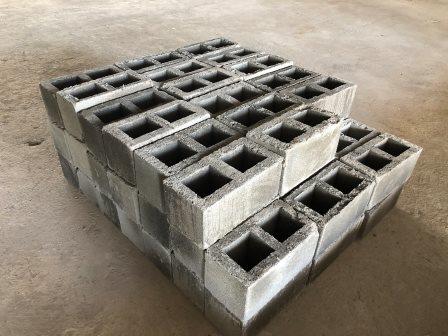
Concrete hollow blocks are commonly used for masonry walls and building structures. Proper Concrete hollow block testing helps verify whether these units meet required quality standards.
ASTM C140 testing evaluates important properties such as:
- Strength capacity
- Physical dimensions
- Material quality
- Unit performance
Quality Concrete hollow blocks support safer and more durable masonry construction.
Concrete Testing Process Explained
Professional Concrete testing follows a structured process to provide accurate and dependable results.
Sample Collection and Preparation
The first stage involves collecting representative Concrete samples from the project site. Proper sampling procedures help ensure that test results reflect actual material conditions.
Sample information may include:
- Project details
- Concrete batch information
- Collection date
- Testing requirements
Correct sample preparation is necessary for accurate Concrete evaluation.
Concrete Curing and Laboratory Evaluation
Concrete specimens require controlled curing conditions before testing. Proper curing allows Concrete samples to develop strength similar to expected project conditions.
Laboratory evaluation involves specialized equipment designed to measure Concrete performance based on recognized testing procedures.
Testing and Technical Reporting
After completing Concrete testing, the laboratory prepares detailed reports containing important information such as:
- Sample identification
- Testing procedures
- Strength results
- Technical observations
These reports help engineers and contractors evaluate Concrete quality throughout construction activities.
Factors That Affect Concrete Strength
Several factors influence Concrete performance and durability.
Material Selection
The quality of cement, aggregates, water, and additives directly affects Concrete strength. Selecting suitable materials helps produce reliable Concrete mixtures.
Concrete Mixing Process
Proper mixing ensures that all Concrete components are distributed evenly. Accurate proportions help maintain consistent strength and performance.
Poor mixing practices may result in weak areas and reduced Concrete quality.
Placement and Curing Practices
Proper placement allows Concrete to achieve its intended performance. Curing plays an important role by helping Concrete develop strength after installation.
Incorrect curing conditions may affect durability and reduce expected Concrete performance.
Environmental Conditions
Concrete structures may experience exposure to:
- Moisture
- Temperature changes
- Chemical substances
- Heavy loads
Quality Concrete testing helps professionals understand how materials may perform under different conditions.
Why Choose Inch-On Materials Testing Laboratory for Concrete Testing?
Selecting a qualified Concrete testing laboratory is important for construction projects that require accurate engineering information.
Inch-On Materials Testing Laboratory provides professional Concrete testing services supported by recognized standards and specialized equipment.
DPWH-BRS Accredited Construction Materials Testing Laboratory
Inch-On Materials Testing Laboratory is accredited by the Department of Public Works and Highways – Bureau of Research and Standards.
This accreditation reflects the laboratory’s commitment to reliable testing procedures and quality evaluation services.
The laboratory supports projects requiring dependable Concrete testing results for construction approval and structural assessment.
ASTM and AASHTO Testing Standards
Concrete testing at Inch-On follows recognized ASTM and AASHTO procedures. These standards provide established methods for evaluating Concrete quality and performance.
Applicable Concrete testing procedures include:
- ASTM C39 for Concrete compression strength testing
- ASTM C78 for Concrete flexural strength testing
- ASTM C140 for Concrete masonry unit testing
Following these standards helps provide consistent and reliable Concrete test results.
Field and Laboratory Testing Capabilities
Inch-On provides both field and laboratory services for construction projects.
Field Testing Services
Field testing includes on-site evaluation of:
- Concrete conditions
- Soil properties
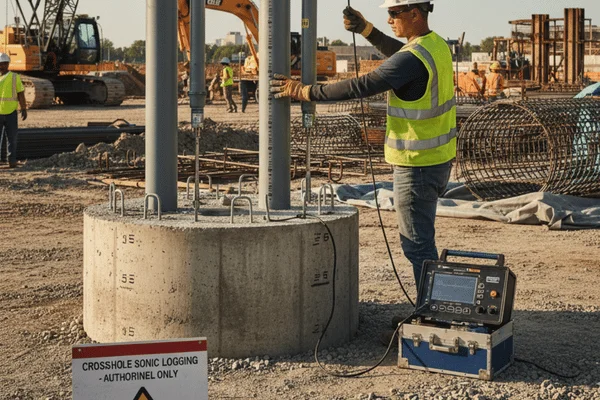
- Foundation piles
- Construction materials
These services provide project teams with information directly from actual site conditions.
Laboratory Testing Services
Laboratory testing provides detailed evaluation of:
- Concrete materials
- Soil samples
- Aggregates
- Construction components
Advanced equipment and controlled procedures support accurate material assessment.
Benefits of Professional Concrete Testing for Construction Projects
Professional Concrete testing provides several advantages for construction teams.
Improved Construction Quality
Concrete testing confirms whether materials meet required strength and quality expectations. Reliable results help maintain better construction practices.
Better Project Planning and Decisions
Concrete testing reports provide technical information that supports engineering decisions, scheduling, and project management.
Reduced Risk of Structural Issues
Testing helps identify possible Concrete concerns before they affect completed structures. Early evaluation may reduce repair requirements and unexpected project costs.
Compliance With Industry Requirements
Many construction projects require documented Concrete testing results. Professional laboratory reports help demonstrate that materials meet required standards.
Takeaway
Concrete quality plays a major role in the safety, durability, and performance of construction projects. Proper Concrete testing provides engineers, contractors, and developers with accurate information needed to evaluate material strength and reliability.
Working with a qualified Concrete testing laboratory helps construction teams maintain quality standards and reduce risks related to material failure.
Inch-On Materials Testing Laboratory provides professional Concrete testing, Concrete hollow block testing, soil evaluation, and construction material assessment services based on ASTM and AASHTO standards. Through reliable testing procedures and technical expertise, Inch-On supports safer and more dependable construction projects.
Frequently Asked Questions About Concrete Testing
What is Concrete testing?
Concrete testing is a process used to evaluate Concrete strength, quality, and performance. Testing methods help determine whether Concrete materials meet project specifications.
Why is Concrete strength testing necessary?
Concrete strength testing helps verify that materials can support expected structural loads. Results provide engineers with important information about Concrete performance.
What standards are used for Concrete testing?
Professional Concrete testing commonly follows ASTM and AASHTO standards. Inch-On Materials Testing Laboratory follows recognized procedures such as ASTM C39, ASTM C78, and ASTM C140.
How long does Concrete testing take?
The duration depends on the testing method, specimen preparation, curing requirements, and project specifications.
Can Concrete testing identify construction problems?
Yes. Concrete testing can help identify strength concerns, material issues, and possible quality problems before they affect structural performance.