Working at heights is one of the most demanding and high-risk activities across many industries. Whether you operate in construction, mining, manufacturing, roofing, telecommunications, utilities, or facility maintenance, investing in reliable height safety equipment is essential for protecting workers and supporting smooth operations. If you are looking to shop fall protection system in Australia, understanding the available solutions and selecting equipment that meets your workplace requirements can make a significant difference in safety, productivity, and long-term value.
Why Every Australian Workplace Needs a Reliable Fall Protection System
Every workplace that involves elevated work areas faces the possibility of falls, making fall protection a vital part of daily operations. A dependable fall protection system provides workers with the confidence to perform tasks safely while minimizing the likelihood of serious injuries. Investing in quality equipment also helps businesses create a safer working environment that supports employee well-being and operational efficiency. Rather than reacting to incidents after they occur, organizations benefit from proactively implementing reliable safety systems that reduce workplace risks. Proper fall protection equipment also contributes to improved productivity because employees can work more confidently when they know they are protected. Businesses that prioritize worker safety often experience fewer disruptions caused by accidents and equipment failures. When you shop fall protection system in Australia, selecting dependable equipment is an investment in both your workforce and your company’s future.
Understanding What a Fall Protection System Is
A fall protection system is a combination of equipment designed to prevent falls or safely arrest a fall should one occur. These systems include multiple components that work together to protect workers performing tasks at elevated locations. Depending on the work environment, a complete system may include full body harnesses, anchor points, horizontal lifelines, vertical lifelines, self-retracting lifelines, connectors, and energy-absorbing lanyards. Different workplaces require different combinations of equipment based on the hazards present and the tasks being completed. Understanding how each component functions allows employers to build a system that addresses their unique safety requirements. Workers also benefit from receiving proper training on using the equipment correctly, ensuring every component performs as intended. A carefully selected fall protection system creates multiple layers of protection that significantly reduce workplace hazards.
Why Shop for Fall Protection Systems in Australia
Businesses that shop fall protection system in Australia often benefit from products specifically suited to local industries and environmental conditions. Australian suppliers understand the demands placed on safety equipment across construction sites, industrial facilities, commercial buildings, and infrastructure projects. Purchasing locally often means quicker delivery times, responsive customer support, and easier access to replacement parts when needed. Many suppliers also offer equipment inspections, installation services, and maintenance programs that help extend the lifespan of safety systems. Working with experienced Australian providers can simplify the purchasing process because they understand common workplace challenges and can recommend practical solutions. Local availability also minimizes downtime when businesses need equipment quickly to meet project schedules. Choosing Australian suppliers offers convenience while supporting compliance and dependable long-term service.
Essential Components of a Complete Fall Protection System
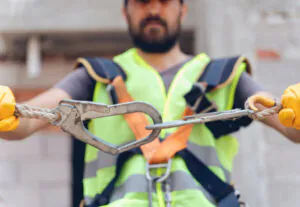
Every complete fall protection system includes several critical components designed to work together. Full body harnesses distribute fall forces across stronger parts of the body, improving worker safety and comfort during extended use. Anchor points provide secure attachment locations and must be carefully selected based on the structure and working environment. Horizontal lifeline systems allow workers to move safely across rooftops, elevated platforms, and large workspaces while remaining connected. Vertical lifeline systems provide protection when climbing ladders, towers, or other vertical structures. Self-retracting lifelines automatically adjust as workers move, minimizing slack and reducing fall distances, while energy-absorbing lanyards help lessen impact forces during a fall. Connectors such as carabiners and hooks ensure every component functions together as one integrated safety solution, creating dependable protection for workers across many industries.
Factors to Consider Before You Shop for a Fall Protection System in Australia
Choosing the right equipment requires evaluating several important factors before making a purchase. Employers should first identify the type of work employees perform and the hazards associated with each task. The working height, structural design, weather conditions, and available anchor locations all influence which system provides the most effective protection. Worker comfort is another important consideration because properly fitted equipment encourages consistent use throughout the workday. Durability also matters since Australian workplaces often expose equipment to sunlight, moisture, dust, chemicals, and changing temperatures. Businesses should evaluate maintenance requirements, inspection schedules, and replacement intervals to maximize long-term value. By carefully considering these factors, organizations can select equipment that supports both safety and operational efficiency.
Industries That Commonly Use Fall Protection Systems in Australia
Many industries rely on dependable fall protection systems to safeguard employees working above ground level. Construction companies regularly use harnesses, anchor points, and lifeline systems while building residential, commercial, and industrial structures. Roofing contractors depend on specialized equipment to safely complete installations, inspections, and maintenance work on elevated surfaces. Manufacturing facilities often require fall protection for workers servicing machinery, overhead cranes, or elevated production areas. Mining operations frequently utilize advanced height safety equipment for inspections, maintenance, and operational tasks. Utility providers and telecommunications companies also rely on vertical safety systems when servicing towers and electrical infrastructure. Facility managers responsible for commercial buildings use fall protection equipment for roof maintenance, window cleaning, and mechanical servicing. Across all these industries, investing in dependable equipment helps create safer and more productive workplaces.
Benefits of Investing in High-Quality Fall Protection Equipment
Quality fall protection equipment offers numerous advantages beyond meeting workplace safety expectations. Reliable equipment provides workers with greater confidence while performing demanding tasks at elevated heights. Comfortable and durable products reduce fatigue, encouraging consistent use throughout long workdays. High-quality systems are typically engineered using premium materials that withstand challenging environmental conditions and repeated daily use. Investing in dependable equipment may also reduce long-term replacement costs because durable products generally offer extended service lives when properly maintained. Businesses can also experience improved productivity since workers spend less time managing equipment issues and more time completing projects efficiently. Better safety practices often contribute to stronger workplace morale because employees recognize their employer’s commitment to protecting their well-being. These combined benefits make quality fall protection systems a valuable investment for organizations of every size.
Common Mistakes to Avoid When Buying Fall Protection Systems
Many purchasing decisions become costly when businesses focus solely on price rather than overall value. Choosing the least expensive equipment without evaluating quality, compatibility, or durability may lead to higher replacement costs over time. Another common mistake involves combining components that are not designed to work together, potentially reducing system performance. Employers sometimes overlook worker comfort, resulting in equipment that employees find difficult or uncomfortable to wear consistently. Failing to establish routine inspection schedules can also increase safety risks by allowing damaged equipment to remain in service. Some organizations underestimate the importance of proper worker training, even though equipment is only effective when used correctly. Avoiding these common mistakes allows businesses to build safer workplaces while protecting their investment in height safety equipment.
How to Select the Right Fall Protection Supplier in Australia
Finding the right supplier is just as important as choosing the right equipment. Experienced suppliers offer knowledgeable guidance that helps businesses identify the most suitable solutions for their specific working environments. Product quality should remain a top priority, along with dependable customer support and ongoing technical assistance. Many reputable suppliers provide installation, inspection, maintenance, and recertification services that simplify long-term equipment management. Availability of replacement parts and prompt delivery can help reduce project delays when equipment needs immediate replacement. Customer reviews and industry experience also provide valuable insight into a supplier’s reputation for reliability and service. When you shop fall protection system in Australia, selecting a trusted supplier helps ensure long-term satisfaction and dependable workplace safety.
Maintaining Your Fall Protection System for Long-Term Reliability
Proper maintenance plays a significant role in extending the service life of fall protection equipment. Workers should visually inspect harnesses, lanyards, connectors, and lifelines before every use to identify signs of wear or damage. Scheduled inspections performed by qualified personnel help detect issues that may not be immediately visible during routine checks. Equipment should be cleaned according to manufacturer recommendations to remove dirt, chemicals, and contaminants that may affect performance. Proper storage away from excessive heat, moisture, and direct sunlight helps preserve material integrity over time. Businesses should maintain detailed inspection records and replace damaged or expired equipment immediately. Consistent maintenance practices ensure that every component continues performing as intended whenever workers rely on it.
Future Trends in Fall Protection Systems in Australia
The future of workplace safety continues to evolve with advancements in technology and equipment design. Modern fall protection systems increasingly incorporate lightweight materials that improve comfort without sacrificing strength or durability. Smart wearable technology is becoming more common, allowing employers to monitor worker activity and improve overall site safety. Digital inspection tools simplify maintenance scheduling while providing detailed equipment histories for easier compliance management. Manufacturers continue developing self-retracting lifelines that offer smoother movement and faster locking mechanisms during falls. Improved ergonomics are making harnesses more comfortable for extended wear, encouraging consistent use throughout the workday. As innovation continues, businesses that shop fall protection system in Australia will have access to increasingly advanced solutions that enhance both safety and productivity.
Frequently Asked Questions
What industries benefit the most from fall protection systems in Australia?
Industries such as construction, roofing, mining, telecommunications, manufacturing, utilities, warehousing, renewable energy, and facility maintenance commonly use fall protection systems because employees frequently work at elevated heights.
How often should fall protection equipment be inspected?
Workers should perform a visual inspection before each use, while qualified personnel should conduct scheduled inspections based on manufacturer recommendations and workplace safety procedures.
What should be included in a complete fall protection system?
A complete system typically includes a full body harness, anchor points, connectors, lanyards or self-retracting lifelines, horizontal or vertical lifelines when required, and compatible attachment hardware.
Can different brands of fall protection equipment be used together?
It is generally recommended to use compatible equipment that has been designed and approved to function together. Always verify compatibility before combining components from different manufacturers.
How do I choose the right fall protection system for my workplace?
Evaluate your work environment, working heights, potential hazards, employee requirements, and maintenance expectations before selecting equipment that best matches your operational needs.
What are the advantages of purchasing from an Australian supplier?
Australian suppliers often provide faster delivery, knowledgeable local support, installation assistance, equipment inspections, maintenance services, and products suited to Australian industries.
How can proper maintenance extend the lifespan of fall protection equipment?
Routine inspections, proper cleaning, appropriate storage, accurate record keeping, and timely replacement of worn components help maximize equipment reliability and service life.
Takeaway
Choosing to shop fall protection system in Australia involves much more than simply purchasing safety equipment. It requires understanding workplace hazards, selecting compatible components, partnering with trusted suppliers, and maintaining equipment throughout its service life. Organizations that invest in high-quality fall protection systems create safer environments where employees can perform confidently while reducing operational risks. By carefully evaluating equipment quality, durability, comfort, maintenance requirements, and supplier expertise, businesses position themselves for long-term safety and productivity. A dependable fall protection system remains one of the most valuable investments any organization can make when protecting workers who perform tasks at height.