Working at height remains one of the most challenging aspects of industrial operations, making reliable fall protection an essential investment for businesses across the country. Whether employees are maintaining rooftops, constructing high-rise buildings, servicing telecommunication towers, or operating in manufacturing facilities, having dependable anchor point systems significantly improves workplace safety. Choosing the right anchor point equipment in Indonesia is more than simply purchasing hardware. It involves understanding workplace hazards, selecting compatible equipment, following proper installation methods, and maintaining the system throughout its service life. As Indonesian industries continue to expand, organizations are placing greater emphasis on creating safer work environments while improving operational efficiency. Anchor point equipment serves as the backbone of any personal fall protection system because it provides the secure attachment workers rely on while performing elevated tasks. Understanding how these systems function allows businesses to make informed decisions that protect both workers and long-term investments.
Why Anchor Point Equipment Matters in Indonesia
Indonesia continues to experience rapid growth in construction, infrastructure development, manufacturing, logistics, renewable energy, and commercial real estate. As more projects require employees to work at elevated locations, employers must prioritize effective fall protection solutions. Reliable anchor point equipment in Indonesia provides secure attachment locations for personal fall arrest systems, reducing the likelihood of severe injuries during work at height. Properly installed anchor points also improve worker confidence by allowing employees to focus on their responsibilities instead of worrying about their safety. Organizations that invest in dependable anchor systems often experience improved productivity because workers can perform tasks more efficiently when appropriate safety measures are in place. Beyond protecting personnel, high-quality anchor point equipment also supports long-term maintenance strategies by providing permanent or temporary anchorage solutions for future work. Selecting dependable equipment is therefore an important component of building a safer and more productive workplace.
What Is Anchor Point Equipment?
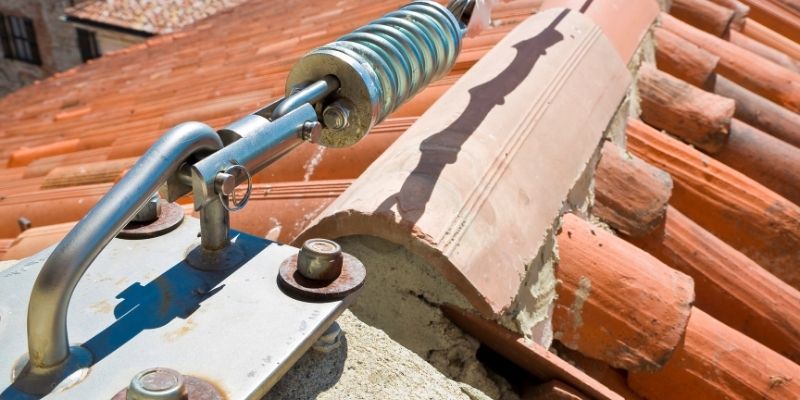
Anchor point equipment refers to specially designed devices that provide secure attachment locations for fall protection systems. These devices are engineered to withstand significant forces that may occur during a fall while remaining securely connected to the supporting structure. Anchor points work together with safety harnesses, lanyards, self-retracting lifelines, connectors, and other fall protection components to create a complete personal fall arrest system. Depending on the application, anchor points may be permanently installed on rooftops, steel structures, or concrete surfaces, or they may be temporary devices designed for short-term projects. Each type serves a specific purpose based on the work environment and operational requirements. Choosing the correct anchor point depends on structural conditions, worker movement, and equipment compatibility. Understanding these fundamentals helps organizations select solutions that provide dependable protection for a variety of elevated work activities.
Common Types of Anchor Point Equipment in Indonesia
Several types of anchor point equipment in Indonesia are available to accommodate different industries and workplace environments. Permanent roof anchor points are commonly installed on commercial buildings and industrial facilities where maintenance activities occur regularly. Temporary anchor points provide flexibility for construction sites and projects where permanent installations are not practical. Beam anchors securely attach to structural steel and are widely used in manufacturing plants, warehouses, and industrial facilities. Concrete anchor systems are specifically designed for reinforced concrete structures and provide dependable attachment points during construction or maintenance work. Steel structure anchor points offer durable solutions for factories, bridges, and infrastructure projects where steel frames serve as the primary support. Portable anchor devices are ideal for workers who frequently move between locations because they provide versatile fall protection without requiring permanent installation. Selecting the appropriate anchor type ensures the system meets both operational requirements and workplace safety objectives.
Industries That Depend on Anchor Point Equipment in Indonesia
Many industries rely on dependable anchor point systems to support safe working conditions. The construction sector uses anchor points for roofing, structural steel installation, façade maintenance, and elevated building work. Oil and gas facilities require reliable fall protection for maintenance personnel working on platforms, storage tanks, and processing equipment. Manufacturing plants use anchor systems during equipment servicing, inspections, and routine maintenance tasks. Warehouses and logistics centers frequently install anchor points to support roof inspections and maintenance activities. Telecommunications companies depend on secure anchorage when technicians climb communication towers and elevated structures. Renewable energy projects, including solar and wind installations, require specialized fall protection equipment for installation and maintenance personnel. Marine facilities, ports, infrastructure projects, and commercial property management companies also benefit from dependable anchor point equipment in Indonesia to maintain high workplace safety standards.
Essential Features of High-Quality Anchor Point Equipment
Choosing quality anchor point equipment involves evaluating several important characteristics that directly affect safety and durability. Strong construction materials such as stainless steel or galvanized steel provide excellent resistance against corrosion, particularly in Indonesia’s humid tropical climate. High-quality anchor points are designed to support substantial loads while maintaining structural integrity under demanding conditions. Compatibility with various fall protection components allows organizations to build flexible systems that meet changing operational needs. Reliable products also simplify installation when properly designed for specific structural applications. Durable protective finishes help extend equipment lifespan by resisting moisture, chemicals, and environmental exposure. Clear product markings, inspection information, and manufacturer guidance make maintenance easier throughout the equipment’s service life. Investing in premium anchor point equipment often reduces long-term replacement costs while providing dependable protection for workers.
How to Choose the Right Anchor Point Equipment in Indonesia
Selecting the appropriate anchor point equipment in Indonesia begins with a comprehensive assessment of workplace hazards. Organizations should identify the locations where employees perform elevated work and determine the potential fall risks associated with each task. The structural material supporting the anchor point must also be carefully evaluated because steel, concrete, and roof systems require different anchorage solutions. Employers should consider how many workers will use the system simultaneously and whether permanent or temporary installations better suit operational requirements. Equipment compatibility is equally important since anchor points must function correctly with harnesses, lanyards, connectors, and self-retracting lifelines. Future maintenance needs should also influence purchasing decisions because durable systems provide greater long-term value. Working with experienced fall protection professionals can help organizations select solutions that address current operational demands while supporting future workplace safety objectives.
Installation Considerations for Anchor Point Equipment
Proper installation plays a major role in the effectiveness of any anchor point system. Before installation begins, qualified professionals should evaluate the supporting structure to verify its ability to withstand required loads. Installation locations should provide optimal worker mobility while minimizing potential swing fall hazards. Following manufacturer recommendations helps ensure the anchor point performs as intended during normal operations and emergency situations. All mounting hardware should be installed according to engineering specifications using appropriate fastening methods. After installation, comprehensive inspections should verify correct placement, secure attachment, and overall system integrity. Organizations should also maintain accurate installation records to simplify future inspections and maintenance planning. Proper installation supports reliable long-term performance while helping businesses maximize the value of their investment.
Inspection and Maintenance Best Practices
Routine inspections are essential for preserving the reliability of anchor point equipment in Indonesia throughout its service life. Workers should visually inspect anchor points before each use to identify any signs of corrosion, deformation, loose fasteners, or physical damage. Scheduled inspections performed by qualified personnel provide more comprehensive evaluations of structural integrity and equipment performance. Maintenance activities should include cleaning, tightening components when appropriate, and replacing damaged parts according to manufacturer recommendations. Environmental conditions such as humidity, salt exposure, and industrial chemicals may accelerate wear, making regular inspections even more important. Detailed maintenance records allow organizations to monitor equipment history and schedule preventive servicing before problems develop. Replacing worn or compromised anchor points promptly helps maintain consistent fall protection and supports a proactive workplace safety program.
Benefits of Investing in Reliable Anchor Point Equipment
Investing in dependable anchor point systems offers significant advantages beyond regulatory compliance. Workers gain greater confidence when performing elevated tasks because they know reliable protection is available throughout their work activities. Improved safety often contributes to increased productivity by reducing interruptions related to workplace hazards. Durable anchor systems also provide long-term financial value because quality equipment generally requires fewer replacements and less frequent maintenance. Businesses that prioritize workplace safety may strengthen their professional reputation among clients, employees, and business partners. Reliable anchor point equipment supports organized maintenance programs by providing permanent access solutions for inspections and servicing activities. Over time, these benefits contribute to safer operations, improved efficiency, and greater confidence throughout the organization.
Common Mistakes to Avoid When Using Anchor Point Equipment
Several common mistakes can reduce the effectiveness of fall protection systems if not properly addressed. Installing anchor points on structurally unsuitable surfaces may compromise system performance during a fall event. Using incompatible harnesses, connectors, or lanyards can also affect the overall reliability of the fall protection system. Skipping routine inspections increases the risk of undetected wear or corrosion developing over time. Some organizations mistakenly overload anchor points by exceeding the designed number of users or intended application. Ignoring manufacturer recommendations regarding installation and maintenance may shorten equipment lifespan and reduce performance. Delaying replacement of damaged components can create unnecessary workplace hazards. Avoiding these mistakes helps organizations maintain dependable fall protection while supporting safe daily operations.
Emerging Trends in Anchor Point Equipment in Indonesia
The fall protection industry continues to evolve with innovative products designed to improve safety, efficiency, and durability. Manufacturers are developing lighter yet stronger materials that simplify installation without sacrificing structural performance. Advanced corrosion-resistant coatings help extend equipment lifespan in challenging environmental conditions commonly found throughout Indonesia. Modular anchor systems provide greater flexibility by allowing organizations to adapt existing installations as operational needs change. Digital inspection technologies and maintenance tracking software are becoming increasingly popular because they simplify recordkeeping and equipment management. Integrated fall protection systems that combine anchor points with lifelines and other safety equipment continue to gain acceptance across multiple industries. These developments enable businesses to improve worker protection while supporting more efficient maintenance and compliance programs.
Frequently Asked Questions (FAQ)
What is anchor point equipment used for?
Anchor point equipment provides secure attachment locations for personal fall protection systems. It serves as the connection point between the worker and fall arrest equipment while working at height.
Which industries in Indonesia commonly require anchor point equipment?
Construction, manufacturing, oil and gas, telecommunications, renewable energy, logistics, infrastructure maintenance, commercial building management, and marine operations commonly depend on anchor point systems.
What is the difference between permanent and temporary anchor points?
Permanent anchor points remain installed for ongoing maintenance and repeated use, while temporary anchor points are designed for short-term projects and can be removed after work is completed.
How often should anchor point equipment be inspected?
Workers should visually inspect equipment before every use, while qualified personnel should perform scheduled detailed inspections according to workplace policies and manufacturer recommendations.
Can one anchor point support multiple workers?
Some anchor systems are specifically engineered for multiple users, while others are designed for a single user only. Always verify the manufacturer’s rated capacity before use.
How do I choose the right anchor point equipment for my project?
Consider the work environment, structural material, number of users, compatibility with other fall protection equipment, expected frequency of use, and long-term maintenance requirements before making a selection.
What factors affect the lifespan of anchor point equipment?
Environmental exposure, installation quality, inspection frequency, maintenance practices, corrosion, and daily usage all influence the service life of anchor point systems.
Why is compatibility important in a fall protection system?
Compatible components work together as intended to provide reliable protection. Mixing incompatible equipment may reduce overall system performance and compromise worker safety.
Takeaway
Selecting the right anchor point equipment in Indonesia requires careful consideration of workplace hazards, structural requirements, equipment compatibility, and long-term maintenance planning. Organizations that invest in quality anchor systems create safer environments for employees working at height while supporting operational efficiency and equipment reliability. Regular inspections, professional installation, and preventive maintenance help maximize the lifespan of every anchor point system. As Indonesian industries continue to grow, dependable fall protection remains an essential part of responsible workplace management. By understanding available anchor point options and following established best practices, businesses can confidently build safer worksites that protect personnel and support sustainable operations for years to come.