Demand for safer elevated work practices continues to rise across Cambodia as construction activity expands across commercial towers, infrastructure projects, and building maintenance work. Many contractors now prioritize equipment selection when they plan to shop Full Body Harness in Cambodia, since worker protection directly affects project continuity, compliance, and site efficiency.
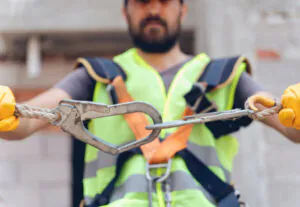
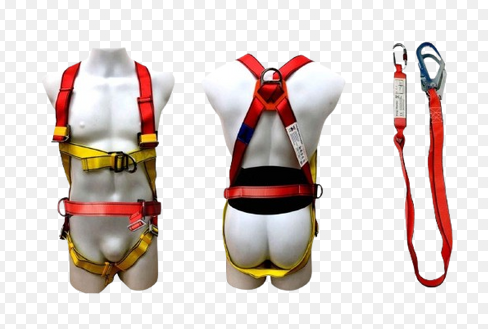
A full body harness plays a central role in fall protection systems. It distributes impact forces across the body during a fall arrest event and works together with anchoring and lifeline systems. Companies involved in high-rise work, facade servicing, scaffolding, and rooftop operations depend on reliable gear to reduce risk at height.
This guide explains how to shop Full Body Harness in Cambodia, what to look for, how systems differ, and why engineered safety solutions from providers such as Groxx Gears support higher safety standards for demanding environments.
Overview of Full Body Harness Systems for Cambodia Construction Sector
Construction sites across Cambodia range from residential towers in Phnom Penh to industrial facilities and bridge works across growing transport corridors. Many of these environments require workers to operate at height for extended periods.
Teams that shop Full Body Harness in Cambodia often look for equipment that supports movement while keeping fall risks controlled. A full body harness connects the wearer to a lifeline or anchor point and reduces the force experienced during sudden stops.
Site supervisors focus on compliance and operational safety. Harness systems are now part of standard safety protocols for:
- Steel structure assembly
- Roofing operations
- Tower crane servicing
- Facade installation and cleaning
- Scaffolding-based maintenance
Contractors who shop Full Body Harness in Cambodia also consider durability, since tropical weather conditions can affect material performance over time.
Why Full Body Harness Systems Matter for High-Risk Work
Falls remain one of the most serious risks on construction sites. A properly fitted harness system can prevent severe injury by controlling movement during accidental slips or structural missteps.
Workers who shop Full Body Harness in Cambodia often need equipment that supports:
- Stable body positioning during elevated tasks
- Controlled fall arrest response
- Compatibility with safety lines and anchor systems
- Comfortable wear during long shifts
A full body harness spreads force across the chest, thighs, and shoulders instead of concentrating impact on a single point. This design reduces injury risk during emergency stops.
Projects that require frequent movement at height also depend on flexibility. Teams that shop Full Body Harness in Cambodia often select adjustable systems that allow bending, climbing, and lateral movement without restricting workflow.
Key Features of a High-Quality Full Body Harness
Selecting safety equipment for elevated work requires attention to structural design and material strength. Contractors who shop Full Body Harness in Cambodia often evaluate the following features:
High tensile webbing
Strong synthetic fibers provide resistance against wear, tension, and abrasion. This matters for workers exposed to rough surfaces or sharp edges.
Load distribution design
A well-designed harness spreads force across multiple contact points to reduce stress during a fall event.
Adjustable straps
Proper fit improves comfort and stability. Adjustable systems allow use across different body sizes within a workforce.
Corrosion-resistant connectors
Metal components must resist rust, especially in humid climates like Cambodia.
Compatibility with lifeline systems
A harness must integrate with horizontal and vertical lifelines used on scaffolding, rooftops, and building facades.
Companies that shop Full Body Harness in Cambodia also prioritize long-term durability since frequent replacement increases operational cost.
Safety Standards to Check Before Purchase
Safety compliance plays a key role in procurement decisions. Contractors who shop Full Body Harness in Cambodia should always review certification details before purchasing equipment.
Important checks include:
Load capacity rating
Harness systems must support the required weight and dynamic fall forces.
Inspection records
Manufacturers should provide documentation showing product testing and inspection results.
Material certification
Webbing, stitching, and metal parts must meet recognized industrial standards.
Traceability
Batch numbers and production records help ensure accountability and quality control.
Projects that shop Full Body Harness in Cambodia for large-scale use often require additional compliance documentation for audits and client reporting.
Selecting the Right Harness for Cambodia Work Conditions
Climate and working conditions in Cambodia influence equipment performance. High humidity, heat exposure, and long working hours affect comfort and durability.
Contractors who shop Full Body Harness in Cambodia should consider:
Heat resistance
Breathable materials reduce discomfort during long shifts.
Moisture protection
Corrosion resistance becomes essential due to frequent exposure to humidity and rain.
Comfort during extended wear
Padding and ergonomic design reduce fatigue.
Compatibility with site systems
Harnesses must connect properly with scaffolding anchors, rooftop lines, and maintenance systems.
Suitability for different tasks
Roofing, facade cleaning, tower maintenance, and steel assembly each require specific configurations.
Teams that shop Full Body Harness in Cambodia often select multiple harness types depending on job requirements.
Industrial-Grade Safety Systems from Groxx Gears
Groxx Gears provides engineered solutions designed for demanding industrial and high-rise environments. Their systems support workers operating at height where precision and reliability are essential.
Contractors who shop Full Body Harness in Cambodia often look at integrated safety ecosystems rather than standalone equipment. Groxx Gears supports this need through:
Fall arrest systems
Designed to reduce impact risk during sudden drops and maintain controlled stopping force.
Horizontal lifeline systems
Allow safe lateral movement across rooftops, steel structures, and elevated platforms.
Vertical lifeline systems
Support climbing and descent operations on ladders, towers, and scaffolding.
High-strength engineered materials
Built for demanding environments where heavy loads and tension forces are common.
Precision manufacturing standards
Components are produced with tight tolerances to maintain consistent performance and reduce mechanical failure risk.
Building maintenance support systems
Solutions designed for facade cleaning, inspection work, and suspended access operations on tall structures.
Many contractors who shop Full Body Harness in Cambodia prefer suppliers that can support full system integration rather than isolated gear purchases.
Where to Source Full Body Harness Systems for Cambodia Projects
Procurement teams often face challenges when selecting reliable suppliers. Companies that shop Full Body Harness in Cambodia should evaluate sourcing options carefully.
Common supply channels include:
Industrial safety distributors
Local and regional suppliers offering certified equipment for construction use.
Direct manufacturers
Companies that produce and export safety systems for large infrastructure projects.
Engineering solution providers
Firms that design complete fall protection setups for complex structures.
Export-ready suppliers
International providers capable of supplying equipment for Cambodia-based construction projects.
Contractors who shop Full Body Harness in Cambodia often prefer suppliers with proven quality control systems and consistent delivery schedules.
Maintenance and Inspection Practices
Proper maintenance extends equipment life and supports worker safety. Teams that shop Full Body Harness in Cambodia should follow strict inspection routines.
Daily inspection
Workers should check straps, buckles, and connectors before each use.
Damage assessment
Any sign of wear, tearing, or deformation requires immediate replacement.
Cleaning procedures
Equipment should be cleaned after exposure to dust, cement, or moisture.
Storage conditions
Harnesses should be stored in dry areas away from direct sunlight and heat.
Replacement cycles
Even without visible damage, harnesses should be replaced after extended use periods based on manufacturer guidelines.
Companies that shop Full Body Harness in Cambodia often maintain logs for compliance and internal safety tracking.
Takeaway
Construction growth across Cambodia continues to raise demand for reliable safety equipment. Workers and contractors who shop Full Body Harness in Cambodia must focus on certified gear, proper fit, and system compatibility to reduce risk at height.
Full body harness systems serve as a core layer of protection in elevated work environments, especially when combined with engineered lifeline setups and anchoring systems. Providers such as Groxx Gears support these needs with engineered solutions designed for demanding industrial conditions.
Careful selection, routine inspection, and correct system pairing help create safer working conditions across construction and maintenance projects throughout Cambodia.
Common Questions About Full Body Harness Systems
What should be considered when I shop Full Body Harness in Cambodia?
Focus on certification, load capacity, comfort, and compatibility with lifeline systems used on your site.
How often should a full body harness be replaced?
Replacement depends on usage frequency, environment exposure, and inspection results. Damaged gear should be replaced immediately.
Can one harness type fit all construction tasks?
No. Different tasks such as roofing, scaffolding, and facade work may require specific configurations.
Why is certification important when I shop Full Body Harness in Cambodia?
Certification confirms that the equipment meets required safety performance standards and has passed load and durability tests.
Do harness systems work alone without lifelines?
No. A full body harness must be used with compatible anchoring and lifeline systems to provide proper fall protection.