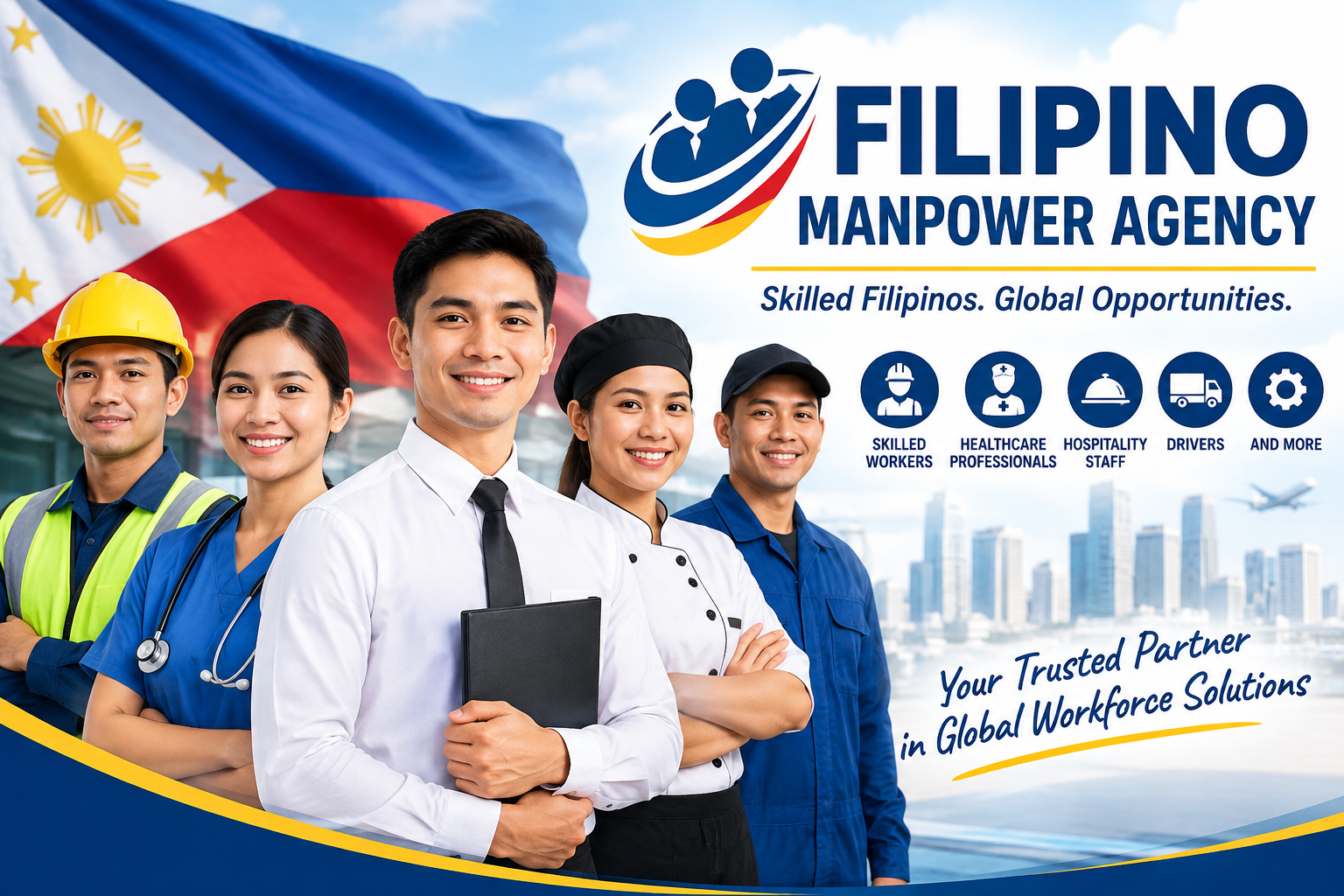

Filipino overseas employment continues to open doors for thousands of professionals seeking career growth and financial stability across international markets. The demand for skilled Filipino workers remains strong across healthcare, engineering, construction, hospitality, and technical industries, making overseas placement a major part of the country’s labor landscape.
Understanding Filipino Overseas Employment
Filipino overseas employment refers to work opportunities secured by Filipino professionals and skilled workers outside the Philippines. This type of employment has become a long-standing pathway for career advancement and family support, driven by global demand for dependable, trained, and adaptable workers.
The strength of Filipino overseas employment comes from a combination of technical ability, strong communication skills, and dedication to service-oriented roles. Employers across multiple countries continue to hire Filipino talent because of consistent performance standards and cultural adaptability.
Filipino overseas employment also plays a major role in supporting household income, education funding, and long-term financial planning for families across the Philippines. Many workers view overseas careers as a structured way to build savings and gain international exposure.
Importance of Licensed Recruitment Agencies in Filipino Overseas Employment
Safe and organized Filipino overseas employment depends heavily on accredited recruitment agencies. These agencies operate under government regulation through the Department of Migrant Workers (DMW), which ensures ethical hiring practices and worker protection.
Licensed agencies guide applicants through proper documentation, job matching, skills assessment, and deployment preparation. This structured process helps reduce risks associated with overseas job placement and ensures that Filipino overseas employment remains transparent and secure.
A licensed agency also serves as a bridge between international employers and Filipino applicants. Employers benefit from a verified pool of candidates, while workers gain access to legitimate job opportunities aligned with their skills and experience.
Company Profile Supporting Filipino Overseas Employment
Mariposa International Services Company, Inc. is a land-based manpower recruitment agency based in the Philippines that has supported Filipino overseas employment since 1992. Founded by Luis Medina, Jr. and Remedios Medina, the company began as a partnership before becoming a corporation in 1994.
The agency holds a license from the Department of Migrant Workers, which allows it to operate as a trusted channel for Filipino overseas employment across multiple industries. Over the years, the organization has assisted in deploying Filipino professionals to various global destinations, supporting both skilled and semi-skilled job categories.
Mariposa International Services Company, Inc. focuses on structured recruitment practices that align employer needs with applicant qualifications. Its long-standing presence in the recruitment industry reflects continuous participation in Filipino overseas employment across healthcare, engineering, hospitality, construction, and technical fields.
Step-by-Step Process of Filipino Overseas Employment
A clear recruitment process helps ensure successful Filipino overseas employment outcomes for both applicants and employers. Each stage is designed to match qualifications with job requirements while maintaining compliance with labor regulations.
Candidate Sourcing and Outreach
Filipino overseas employment begins with active sourcing of applicants through job fairs, referrals, and field-based recruitment activities. Recruitment teams search for individuals with relevant skills and experience suited for international roles.
Job Advertising and Awareness
Job openings related to Filipino overseas employment are shared through print advertisements, online platforms, and social media campaigns. These efforts help widen access to job opportunities across different regions of the Philippines.
Initial Screening and Evaluation
Applicants undergo background checks, document verification, and structured interviews. This stage ensures that candidates meet the minimum requirements for Filipino overseas employment positions.
Orientation and Guidance
Selected applicants receive orientation sessions covering job expectations, workplace conditions, and employer requirements. This stage prepares candidates for real-world scenarios in Filipino overseas employment placements.
Skills Assessment and Trade Testing
Technical roles require practical evaluation through trade testing. Filipino overseas employment opportunities in construction, hospitality, and engineering often include skill-based assessments to confirm competency.
Deployment Preparation
Before departure, applicants receive checklists and travel guidance. This final stage ensures readiness for Filipino overseas employment assignments, including documentation and compliance requirements.
Industries Driving Filipino Overseas Employment
Filipino overseas employment spans multiple industries, each offering unique career opportunities and skill development pathways.
Healthcare remains one of the largest sectors, with nurses, caregivers, and medical technicians consistently in demand. Engineering and construction industries also depend on Filipino overseas employment due to the technical expertise and reliability of Filipino workers.
Hospitality and tourism sectors continue hiring Filipinos for hotel operations, food services, and customer support roles. Oil and gas, mining, and energy industries also rely on Filipino overseas employment for specialized technical positions.
Information technology has expanded opportunities further, allowing professionals to work in software development, systems support, and digital operations across global companies.
Countries Offering Filipino Overseas Employment Opportunities
Filipino overseas employment extends across multiple global regions. Popular destinations include the United States, United Kingdom, Ireland, Israel, Saudi Arabia, United Arab Emirates, Hong Kong, Singapore, Malaysia, Brunei, and other international labor markets.
Each destination offers different job categories and employment conditions. Middle Eastern countries often provide opportunities in construction, healthcare, and engineering, while countries in Asia focus on hospitality, domestic services, and technical roles.
Western countries typically offer healthcare and skilled trade positions, making Filipino overseas employment highly diverse in terms of career pathways and job functions.
Benefits of Filipino Overseas Employment
Filipino overseas employment provides several advantages for workers and their families. One of the primary benefits is access to higher income levels compared to many local job opportunities. This financial improvement supports education, housing, and long-term savings goals.
Career development is another key advantage. Exposure to international work environments allows professionals to gain new skills and improve technical knowledge. Filipino overseas employment also helps workers build stronger professional profiles for future career advancement.
Another benefit is global exposure. Working in different countries allows Filipino professionals to understand various workplace cultures, management styles, and industry standards. This experience contributes to long-term professional growth.
Filipino overseas employment also supports family stability through remittances, which play a significant role in household financial planning across the Philippines.
Challenges and Preparation for Filipino Overseas Employment
While Filipino overseas employment offers many opportunities, preparation remains essential for success. Workers must be ready for cultural differences, work environment adjustments, and distance from family.
Proper documentation is also necessary to avoid delays during deployment. Applicants must ensure that passports, contracts, and certifications are complete and valid before departure.
Emotional readiness is another important factor. Filipino overseas employment often involves long-term separation from loved ones, which requires strong personal resilience and support systems.
Skills upgrading also plays a role in preparation. Applicants who invest time in training and certification have higher chances of securing better positions within Filipino overseas employment markets.
Role of Recruitment Agencies in Career Success
Recruitment agencies play a central role in shaping successful Filipino overseas employment journeys. They provide structured guidance from application to deployment, ensuring that candidates meet employer expectations.
Agencies also help maintain compliance with government regulations, protecting applicants from illegal recruitment practices. Through proper screening and verification, they ensure that Filipino overseas employment remains safe and legitimate.
Support services such as orientation, document processing, and pre-departure assistance also help applicants transition smoothly into international work environments.
Future Outlook of Filipino Overseas Employment
The future of Filipino overseas employment remains strong due to increasing global demand for skilled labor. Industries such as healthcare, engineering, information technology, and construction continue to expand, creating more job opportunities for Filipino professionals.
Technological advancement also influences recruitment processes, making applications faster and more accessible. Online platforms now play a major role in connecting applicants with overseas employers.
As global economies recover and grow, Filipino overseas employment is expected to remain a key contributor to workforce mobility and economic development for Filipino families.
Frequently Asked Questions (FAQ)
What is Filipino overseas employment?
Filipino overseas employment refers to job opportunities where Filipino workers are hired by employers outside the Philippines for various skilled and semi-skilled roles.
What industries offer Filipino overseas employment?
Common industries include healthcare, engineering, construction, hospitality, oil and gas, mining, and information technology.
Why is Filipino overseas employment popular?
Filipino overseas employment is popular due to higher income opportunities, career growth, and global work exposure.
How can applicants start the process?
Applicants begin by applying through a licensed recruitment agency, submitting required documents, and completing screening and evaluation stages.
Is it necessary to apply through a licensed agency?
Yes, working with a DMW-licensed agency helps ensure safe and legal Filipino overseas employment.
What countries hire Filipino workers?
Many countries hire Filipino workers, including the United States, United Kingdom, Ireland, Saudi Arabia, UAE, Singapore, Hong Kong, and Malaysia.
What challenges come with working overseas?
Common challenges include cultural adjustment, distance from family, and preparation for new work environments.
How long does deployment usually take?
Timeline varies depending on employer requirements, document processing, and job category within Filipino overseas employment programs.