The Role of Online Sales Closers in Modern Business
Online sales closers play a critical role in today’s digital-first business environment where buying decisions are increasingly made through virtual interactions. These professionals specialize in converting qualified leads into paying clients through structured conversations conducted online. Businesses across multiple industries rely on online sales closers to bridge the gap between marketing-generated interest and final purchase decisions. Their role is not limited to simply persuading prospects but involves guiding them through a decision-making process with clarity and confidence. As remote selling continues to expand globally, the demand for skilled online sales closers has grown significantly. Companies now recognize that high-ticket deals require human interaction even in fully digital sales systems. This makes online sales closers essential revenue drivers in scalable business models. Their presence ensures that businesses can maintain consistent conversion rates regardless of geographic boundaries.
Online sales closers operate in environments where speed, trust, and communication quality directly influence revenue outcomes. They are often the final point of contact before a prospect commits financially, which places them in a high-responsibility position. Their effectiveness depends on their ability to understand buyer psychology and align solutions with customer needs. Many organizations invest heavily in training these professionals to ensure consistent performance. In global markets such as the USA, UK, Canada, Australia, UAE, and Singapore, their role has become even more valuable due to cross-border digital transactions. Online sales closers are now considered a core part of modern sales infrastructure rather than an optional function.
What Online Sales Closers Actually Do Day-to-Day
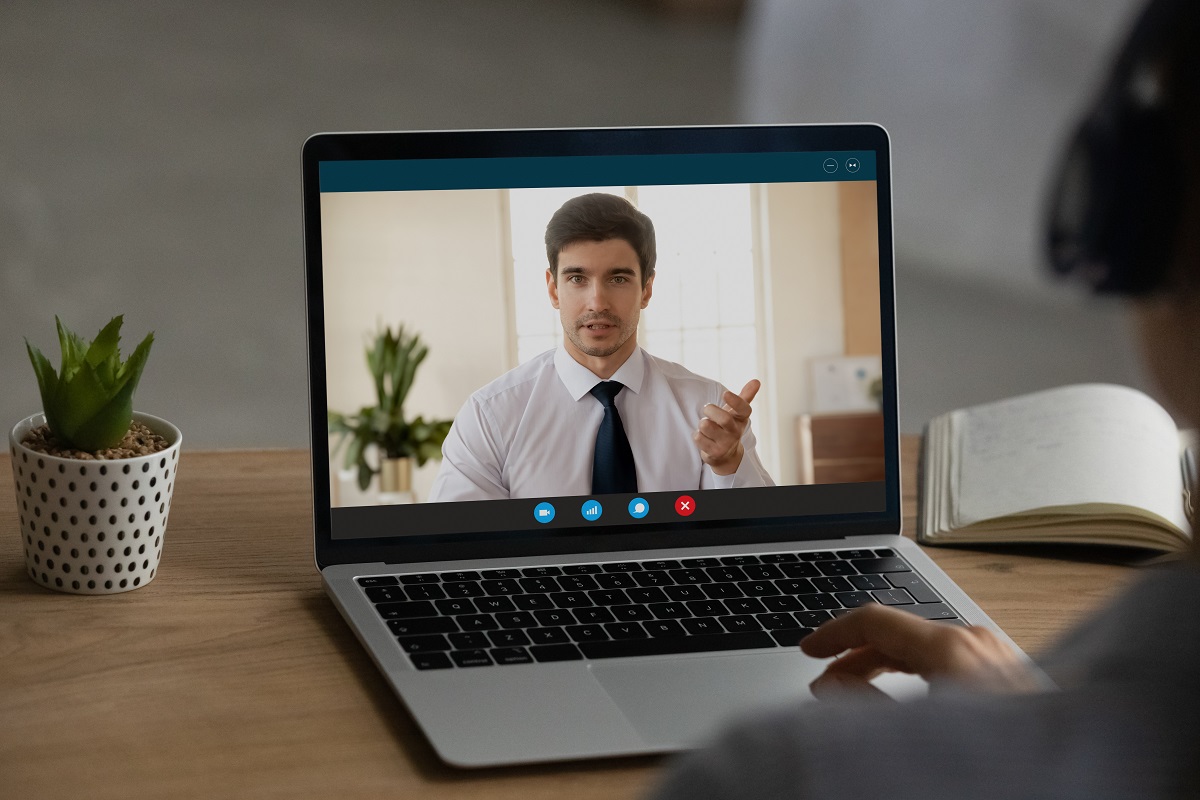
The daily work of online sales closers revolves around structured communication with qualified prospects who have already shown interest in a product or service. They typically begin their day reviewing scheduled calls and preparing background research on each lead. This preparation allows them to personalize conversations and improve conversion potential. Most interactions happen through video conferencing platforms, phone systems, or integrated CRM tools. Each conversation is designed to identify needs, present solutions, and guide prospects toward a confident purchasing decision.
Online sales closers also spend time documenting call outcomes, updating CRM records, and analyzing performance metrics. This ensures that sales pipelines remain organized and transparent across teams. They often collaborate with marketing and appointment-setting teams to refine lead quality. Their schedule is structured but flexible enough to adapt to different time zones and international clients. Since many businesses operate globally, online sales closers frequently manage conversations across multiple regions in a single day. Their work requires discipline, consistency, and strong communication skills to maintain high conversion rates.
Types of Businesses That Rely on Online Sales Closers
Online sales closers are essential across a wide range of industries that depend on digital sales systems. High-ticket coaching programs and consulting services are among the most common users of these professionals. Digital marketing agencies also rely on them to convert inbound leads into long-term clients. SaaS companies use online sales closers to explain complex software solutions and close enterprise-level deals. Online education platforms and certification providers depend on them to convert interested learners into paying students.
E-commerce brands offering premium or bundled services often integrate online sales closers into their customer acquisition strategy. B2B service providers also benefit significantly from their expertise, especially when dealing with long decision cycles. In many cases, these businesses operate entirely online, making remote closers a necessity rather than a luxury. The versatility of online sales closers allows them to adapt to different industries without losing effectiveness. Their role becomes even more important when businesses expand internationally and require culturally aware communication strategies.
Why Companies Choose Online Sales Closers Over Traditional Sales Teams
Businesses increasingly prefer online sales closers over traditional in-house sales teams due to efficiency and scalability. One major advantage is reduced operational cost, as remote closers eliminate the need for physical office infrastructure. Companies can scale faster by hiring experienced closers without long recruitment cycles. This flexibility allows businesses to expand into new markets without significant overhead. Performance-based compensation structures also make this model financially attractive for organizations.
Another reason companies choose online sales closers is access to specialized expertise. Many closers have experience working in high-ticket environments where conversion skills are highly refined. This level of expertise is difficult to develop internally without significant training investment. Additionally, online sales closers bring adaptability, allowing businesses to operate across multiple time zones seamlessly. Their ability to integrate into existing sales systems quickly makes them a valuable asset for fast-growing companies.
Skills That Define High-Performing Online Sales Closers
High-performing online sales closers possess a combination of technical, psychological, and communication-based skills. Active listening is one of the most important abilities, allowing them to understand client needs accurately. Emotional intelligence helps them build trust and rapport during conversations. They are skilled in consultative selling, where the focus is on solving problems rather than pushing products. Objection handling is another essential skill that enables them to address concerns confidently and effectively.
They also demonstrate strong time management skills to handle multiple leads and follow-ups efficiently. Confidence plays a key role, but it must be balanced with empathy to avoid aggressive selling approaches. Online sales closers also need adaptability to work across different industries and buyer personas. Their success often depends on how well they can guide conversations without pressure tactics. Continuous learning is essential in this role as buyer behavior and digital tools constantly evolve.
Tools and Technology Used by Online Sales Closers
Online sales closers rely heavily on digital tools to manage communication, track performance, and close deals efficiently. CRM systems are central to their workflow, helping them organize leads and monitor progress. Video conferencing platforms allow real-time interaction with prospects regardless of location. Call recording tools help analyze conversations for improvement and training purposes. Scheduling tools streamline appointment booking and reduce friction in the sales process.
Digital contract systems enable fast and secure agreement signing, which speeds up deal closure. Payment processing platforms also support seamless transactions during or after sales calls. These tools collectively enhance productivity and ensure that online sales closers can operate efficiently in remote environments.
Common tools include:
- Customer relationship management systems for pipeline tracking
- Video conferencing platforms for live consultations
- Call analytics software for performance improvement
- Automated scheduling systems for appointment coordination
- Secure digital signature platforms for contracts
- Online payment gateways for instant transactions
Each of these tools contributes to a streamlined workflow that supports higher conversion rates and better customer experience.
The Online Sales Closing Process Explained Step by Step
The online sales closing process begins with lead qualification, where prospects are screened to ensure alignment with the offer. Once qualified, online sales closers prepare for discovery calls by reviewing relevant background information. During the conversation, they focus on understanding the prospect’s challenges, goals, and expectations. This allows them to present tailored solutions rather than generic pitches. The presentation phase is structured to highlight value and relevance.
As the conversation progresses, objections naturally arise and are addressed with clarity and confidence. Online sales closers use structured frameworks to guide prospects through concerns without pressure. Pricing discussions are handled transparently, ensuring the prospect understands value relative to cost. When alignment is achieved, the closing phase involves guiding the prospect toward a clear decision. Follow-up communication is used when needed to reinforce trust and finalize commitments.
Misconceptions About Online Sales Closers
There are several misconceptions surrounding online sales closers that often misrepresent their role. One common misunderstanding is that they rely on aggressive or manipulative tactics, which is not accurate in professional environments. In reality, effective online sales closers focus on ethical, consultative conversations. Another misconception is that scripts are heavily used in every interaction, when most professionals rely on flexible frameworks instead. Many people also assume that this role is similar to telemarketing, which overlooks the complexity of high-ticket sales environments.
Online sales closers prioritize relationship-building over pressure-based selling techniques. Their goal is to help prospects make informed decisions rather than forcing outcomes. This distinction is important in understanding the professionalism required in modern digital sales roles.
Online Sales Closers vs Appointment Setters
Online sales closers and appointment setters serve different functions within a sales ecosystem. Appointment setters focus on generating interest and scheduling qualified calls for closers. Online sales closers, on the other hand, handle the actual conversion process. Both roles work together to create a seamless pipeline from lead generation to revenue.
Appointment setters typically engage in initial outreach, while closers handle deeper conversations with decision-ready prospects. Businesses often require both roles to maximize efficiency and conversion rates. Understanding this distinction helps companies structure their sales teams effectively and improve overall performance.
How Online Sales Closers Support Global Businesses
Online sales closers are especially valuable for businesses operating in multiple international markets. Companies in the USA, UK, Canada, Australia, UAE, and Singapore rely on them to manage cross-border sales conversations. Their ability to work across time zones allows businesses to maintain continuous sales activity. Cultural awareness is also important, as communication styles vary across regions.
Online sales closers help global companies maintain consistency in messaging while adapting to local buyer expectations. They support remote-first business models where physical presence is not required. This makes them an essential component of modern international sales strategies.
Revenue Impact of Hiring Online Sales Closers
Hiring online sales closers can significantly improve a company’s revenue performance. They increase conversion rates by improving the quality of sales conversations. Businesses often experience more predictable revenue streams when professional closers are involved. This predictability supports better financial planning and growth forecasting.
Online sales closers also reduce the burden on founders and internal teams, allowing them to focus on strategy and expansion. Their presence helps prevent missed opportunities caused by unconverted leads. Over time, this leads to stronger customer acquisition systems and improved profitability.
What to Look for When Hiring Online Sales Closers
Selecting the right online sales closers requires careful evaluation of experience and skill set. Candidates should have proven success in high-ticket or consultative sales environments. Strong communication abilities are essential, along with adaptability across different industries. Transparency in reporting and communication ensures accountability within the sales process.
It is also important to assess how well a closer aligns with brand messaging and values. Integration into existing systems should be smooth and efficient. Businesses benefit most when closers can quickly adapt without extensive onboarding delays.
Training and Onboarding Online Sales Closers
Effective onboarding ensures online sales closers perform consistently from the start. Training typically includes product knowledge, offer positioning, and customer profiling. Businesses often provide structured frameworks rather than rigid scripts to maintain flexibility. Performance metrics are established early to track progress and improvement.
Regular feedback sessions help refine communication strategies and improve conversion rates. Continuous learning is encouraged to keep up with evolving market conditions. Strong onboarding processes lead to faster ramp-up times and better overall performance.
Ethical Standards and Trust in Online Sales Closing
Ethical practices are essential in the work of online sales closers. Building long-term trust with clients is more valuable than short-term conversions. Professional closers prioritize fit and alignment over pushing unsuitable offers. This approach strengthens brand reputation and customer loyalty.
Compliance with privacy and consumer protection standards is also critical in digital sales environments. Ethical selling ensures that both businesses and customers benefit from transactions. This creates sustainable growth and healthier business relationships.
Frequently Asked Questions About Online Sales Closers
What industries benefit most from online sales closers?
Industries such as coaching, SaaS, consulting, digital marketing, and online education benefit significantly from online sales closers due to high-ticket and consultative sales models.
Are online sales closers commission-based or salaried?
Many online sales closers work on commission-based structures, although some roles combine base pay with performance incentives depending on the company.
How long does it take to see results after hiring online sales closers?
Results vary, but many businesses begin seeing improved conversion rates within weeks once onboarding and lead alignment are optimized.
Can online sales closers handle international clients?
Yes, online sales closers frequently work with global clients across regions such as the USA, UK, Canada, Australia, UAE, and Singapore.
What is the difference between high-ticket closers and online sales closers?
High-ticket closers focus specifically on premium-priced offers, while online sales closers may handle a broader range of digital sales conversations.
Do online sales closers need scripts to be effective?
Scripts are not required. Most professionals rely on structured frameworks that allow flexibility and natural conversation flow.
Takeaway
Online sales closers have become a foundational part of modern digital business systems, enabling companies to convert qualified leads into revenue efficiently across global markets. Their role combines communication expertise, emotional intelligence, and structured sales strategies to support high-value transactions. Businesses that integrate skilled online sales closers often experience stronger conversion rates, improved scalability, and more predictable revenue outcomes.